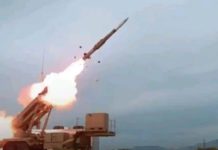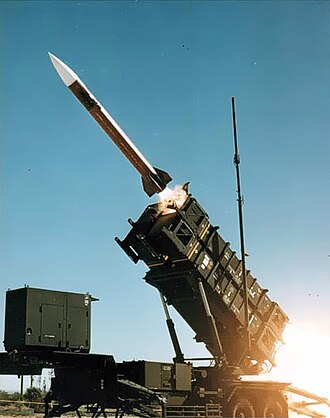

Amid renewed concerns over the pressure being placed on the US military’s stockpiles of advanced missile-defence weapons as the conflict with Iran continues, there are reports that the United States military fired as many as 70 Patriot air-defence interceptors and more than a dozen THAAD interceptors during a recent Iranian ballistic missile attack on Jordan,
US forces reportedly launched between 60 and 70 Patriot interceptors against an Iranian attack involving about 20 ballistic missiles. More than a dozen Terminal High Altitude Area Defense (THAAD) interceptors were also fired, according to US and regional officials cited by a newspaper.
The number of interceptors used in the single attack was reportedly comparable to the amount expended by American forces over an entire week at some other stages of the conflict.
The Iranian attack also demonstrated increasingly sophisticated missile tactics. Some Iranian missiles carried warheads capable of separating into multiple projectiles as they approached their targets. Such technology can complicate the work of missile-defence systems by creating multiple objects that need to be tracked and potentially intercepted.
Despite the large-scale defensive response, not all of the incoming missiles were stopped. Iranian missiles reportedly reached Muwaffaq Salti Air Base in Jordan, damaging fighter jets and other aircraft. No US personnel were killed in the latest attack, according to the report.
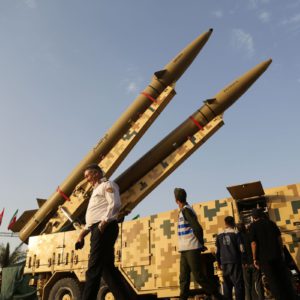
Iranian forces have increasingly varied their missile tactics during the conflict, reportedly using different missile types, flight paths, manoeuvres and warhead configurations in an effort to challenge US and allied air-defence systems.
The developments have raised questions about how quickly Washington can replenish its stockpiles. The US military has used large numbers of Patriot and THAAD interceptors during the conflict, alongside Standard Missile interceptors fired from US Navy ships.
By mid-July, US forces had reportedly used approximately 1,700 Patriot interceptors and more than 200 THAAD interceptors since the conflict began. Navy vessels had also fired roughly 150 Standard Missile interceptors against Iranian missiles and drones, according to officials.
The figures have attracted increased attention because the production of sophisticated missile-defence weapons is considerably slower than the rate at which they can be consumed during an intensive conflict.
Lockheed Martin, one of the main manufacturers of Patriot interceptors, produced 620 of the missiles in 2025 and has been seeking to increase annual production to approximately 2,000. The company has also received a major contract aimed at substantially expanding Patriot production capacity.
The Pentagon, however, has rejected claims that US munitions have been exhausted.
Pentagon spokesman Sean Parnell said reports suggesting that American weapons stocks were depleted were “completely false,” while maintaining that US forces remained capable of responding to threats.
President Donald Trump has likewise said the United States maintains substantial interceptor stocks and is increasing weapons production.
At the same time, a recent report from the Defense Department’s inspector general presents a more complicated picture. The watchdog found that the conflict had created “strategic inventory shortfalls” and exposed bottlenecks in the US industrial base that could slow the replacement of expended munitions.
Independent assessments have also pointed to declining stocks. The Center for Strategic and International Studies said in July that US Patriot inventories had fallen below 1,000, while the number of THAAD interceptors was estimated at about 250. CSIS warned that continued combat could further reduce available stocks and create challenges for US readiness elsewhere.
A separate Los Angeles Times analysis, citing CSIS estimates, reported that the US began the war with nearly 2,800 Patriot and THAAD interceptors and had approximately 1,100 remaining by the end of July.
The depletion of missile-defence weapons has implications beyond the Middle East. US officials have expressed concerns that the transfer and use of large quantities of munitions could affect Washington’s ability to respond to potential crises elsewhere, including in Europe and the Indo-Pacific.
The issue is particularly significant for US allies such as Japan, South Korea and Taiwan, which rely heavily on American missile-defence capabilities. Recent reporting has raised concerns that the war with Iran could contribute to delays in some US weapons deliveries to allies.
Gulf countries have also been seeking additional air-defence weapons following months of Iranian missile and drone attacks. The demand comes as regional states attempt to strengthen their ability to protect military installations, energy infrastructure and major population centres.
The US military has continued to insist that its forces remain capable of defending American personnel and facilities throughout the region. Adm. Brad Cooper, commander of US Central Command, separately told CBS’s 60 Minutes that he was not concerned about interceptor shortages and said American forces were prepared for potential contingencies.