
In its deliberate efforts to boosts teacher welfare, Kaduna State Government has approved rural allowance extends retirement age to 65 years for teachers.
The decision is meant to strengthen the education sector and reward professional dedication.

With effect from 1 August 2025, the mandatory retirement age for teachers has been extended from 60 to 65 years, while the maximum years of service have been increased from 35 to 40 years.

In addition, teachers posted to rural and hard-to-reach communities will now receive a special rural posting allowance.
The approval aligns with the Harmonised Retirement Age for Teachers in Nigeria Act, 2022, enacted by the National Assembly, which exempts teachers from the general public service retirement threshold of 60 years or 35 years of service, in recognition of their critical role in national development.
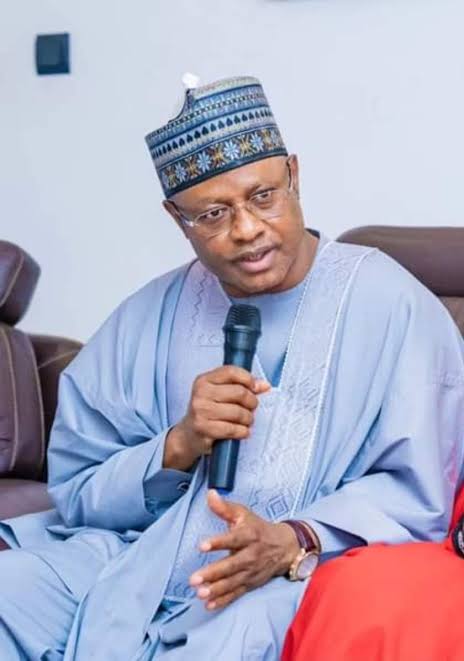
The Honourable Commissioner for Information, Ahmed Maiyaki, said the decision reflects the Governor Uba Sani’s firm commitment to improving workers’ welfare and revitalising the education sector.
He noted that the Governor considers experienced teachers central to delivering quality education and sustaining learning outcomes across the state.
“This policy is designed to honour years of dedicated service, retain invaluable experience in our classrooms, and motivate greater productivity for the benefit of our children and the future of Kaduna State,” Maiyaki said.
A circular conveying the approval has been issued by the Office of the Governor and signed by the Permanent Secretary (Establishment), Mrs. Felicia I. Makama, directing all relevant institutions to comply.
The circular adds that detailed implementation guidelines will be issued by the State Civil Service Commission in due course.
Governor Sani expressed confidence that the policy will boost teacher motivation, improve retention, and significantly raise educational standards across Kaduna State, reinforcing his administration’s broader commitment to strengthening public institutions and investing in human capital development.