
By Ahmed Idris
As the 2027 governorship election approaches, political activities in Kebbi State are gathering momentum, with aspirants and their supporters intensifying efforts to win public confidence and present their preferred candidates as the right choice for the state’s highest political office.
Amid the growing political contest, campaign rhetoric, praise singing and competing narratives, the people of Kebbi State must look beyond political declarations and ask fundamental questions about the records, experience, policy proposals and demonstrated achievements of those seeking their mandate.
Governance is too important to be reduced to political slogans or social media arguments. The credibility of any candidate should be assessed against measurable achievements, the quality of ideas presented, the capacity to implement proposed policies and the ability to address the real needs of the people.

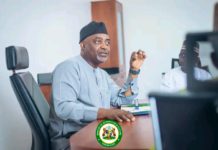
It is against this background that the administration of Comrade Dr Nasir Idris, popularly known as Kauran Gwandu, deserves a comprehensive assessment. Since assuming office on 29 May 2023, Governor Idris has pursued an ambitious development programme under the New Kebbi Agenda, with interventions across infrastructure, agriculture, education, healthcare, aviation, employment, security and workers’ welfare.
For his supporters, the scale and breadth of these interventions constitute an important argument for continuity. They also provide a basis for challenging opposition politicians to move beyond criticism and present concrete alternatives capable of matching the expectations of Kebbi citizens.

Those aspiring to succeed Governor Idris in 2027 are entitled to their ambitions. However, the electorate equally has the right to demand credible answers to important questions: What have the aspirants achieved in their previous positions? What practical solutions do they offer to the challenges facing Kebbi State? How will they finance their promises, and what evidence supports their capacity to deliver?

These are the issues that should define the political conversation ahead of 2027.
Urban Renewal and Infrastructure: Taking Development Beyond the State Capital
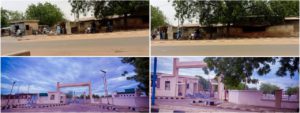
Under the New Kebbi Agenda, the Idris administration has embarked on several infrastructure projects intended to improve transportation, facilitate economic activities and enhance the appearance of urban centres and rural communities.

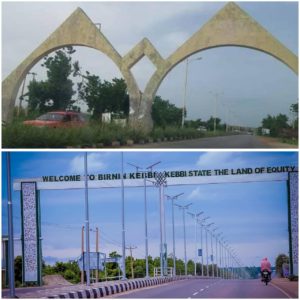
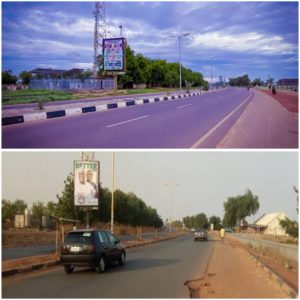
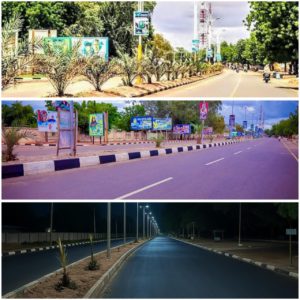
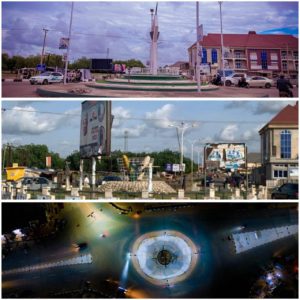
Birnin Kebbi, the state capital, has witnessed road construction, road dualisation, rehabilitation works and streetlight projects. Other areas have also benefited from township road projects, bridges and related infrastructure, including projects in Argungu, Yauri and Koko-Besse. The Koko–Dabai Road and ring-road projects in selected local government areas are also among the interventions associated with the administration’s infrastructure drive.
The government has additionally initiated five-kilometre road projects in 21 local government areas, with the objective of extending infrastructure development beyond major urban centres. If effectively completed and maintained, these projects can improve access to markets, schools, healthcare facilities and other essential services while strengthening economic connections between communities.
Agricultural Revolution: Strengthening Food Security and Rural Livelihoods

In a state where agriculture remains central to livelihoods and economic activity, the administration has also pursued measures aimed at supporting farmers and strengthening food production.
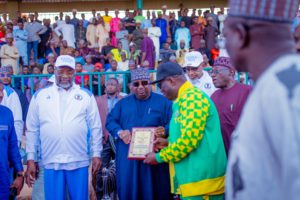
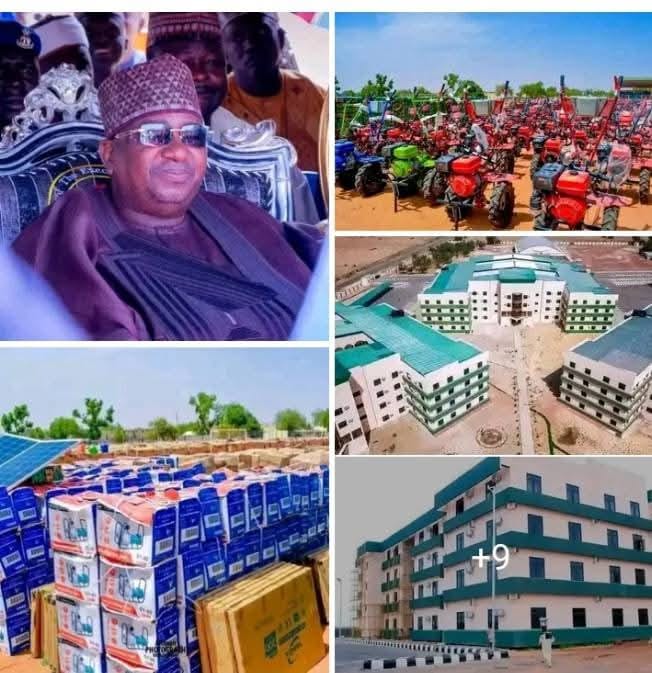
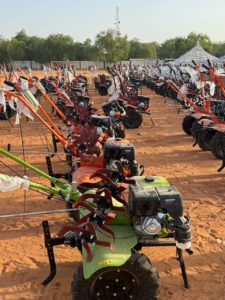
Through the Ministry of Agriculture, interventions have included the distribution of fertilisers and other farm inputs, as well as the provision of water-pumping machines to support agricultural activities. These measures reflect the importance of assisting farmers to improve productivity, reduce production constraints and contribute to food security.

The effectiveness of these interventions should ultimately be reflected in improved farm output, stronger rural livelihoods and better access to affordable food. Sustained implementation, transparent distribution and effective monitoring will therefore remain essential to achieving their intended objectives.
Education: Investing in Schools and the Future of Kebbi Children
Education is another major component of the New Kebbi Agenda. The administration has pursued school infrastructure development, including the construction of mega schools across the state’s four emirates, alongside the provision of textbooks and school furniture.
The government has also supported students through scholarship programmes for eligible beneficiaries studying within Nigeria and abroad, while extending assistance to private tertiary institutions in the state. The establishment of a new School of Midwives and Nursing initiatives to strengthen tertiary education further demonstrate the administration’s stated commitment to expanding educational and professional training opportunities.

These investments are significant because the future of Kebbi State depends substantially on the quality of education available to its young people. Beyond the construction of facilities, continued attention to teachers’ welfare, learning materials, school management and measurable educational outcomes will be crucial to sustaining progress.
Aviation: Expanding Connectivity and Economic Opportunities
In aviation, the administration has undertaken interventions at Sir Ahmadu Bello International Airport, Ambursa, including remodelling works and the development of aviation fuel infrastructure. The resumption of commercial flight operations and the airlift of state pilgrims to the Holy Land have also featured in the government’s aviation-related activities.
Improved air connectivity can support business, investment, tourism and the movement of people, although the long-term value of these efforts will depend on the sustainability of operations and the ability to attract regular commercial services.
Employment and Revenue Generation: Strengthening the State’s Economic Capacity
Employment and public service development have also featured prominently in the administration’s activities. The government has reported the employment of more than 2,000 graduates into the public service, including personnel in the basic education sector, as well as recruitment of professionals such as lawyers and medical personnel.
The administration has also made political appointments across various levels of government. While appointments contribute to the operation of the political and administrative structure, the broader measure of employment progress should include sustainable job creation, opportunities for young people and the capacity of the private sector to absorb more workers.
The performance of the Kebbi State Internal Revenue Service (KBIRS) and efforts to improve internally generated revenue are equally important to the state’s development prospects. A stronger revenue base can expand the government’s capacity to finance infrastructure, meet public obligations and sustain essential services. Transparent revenue administration and prudent expenditure remain necessary to ensure that increased collections translate into tangible public benefits.
Healthcare: Improving Access to Essential Medical Services
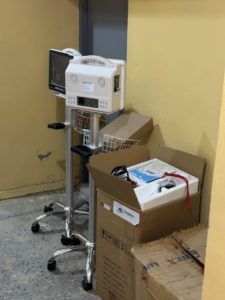
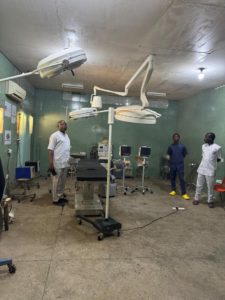
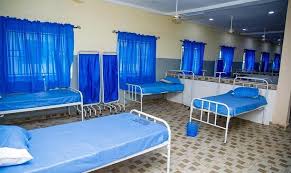
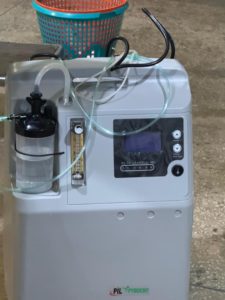
Healthcare is another critical area in which the administration has undertaken interventions. These include the renovation of general hospitals, rehabilitation of primary healthcare facilities and the construction and equipping of primary healthcare centres across the state, according to the government’s stated project record. Renovation works at Sir Yahayya Memorial Hospital have also been highlighted among the administration’s healthcare initiatives.
For ordinary citizens, the importance of these projects lies not simply in the buildings themselves but in the quality and accessibility of the services they provide. Adequate staffing, essential medicines, functional equipment and effective management will be vital to ensuring that the facilities deliver lasting benefits to their host communities.
The remodelling and renovation of the state secretariat complex also form part of the administration’s efforts to improve the working environment for public servants and strengthen the institutional capacity of government.
Security: Supporting Security Agencies in Protecting Lives and Property
On security, the government has procured and distributed operational vehicles, including armoured vehicles, alongside motorcycles to support security agencies. Such logistical assistance is intended to strengthen mobility, operational response and the capacity of security personnel to discharge their responsibilities.
Nevertheless, the security challenges confronting parts of Kebbi State require sustained attention, effective intelligence gathering, inter-agency cooperation and continued engagement with affected communities. Equipment and vehicles are important, but their impact must ultimately be measured by improvements in public safety and the protection of lives and property.
Workers’ Welfare and Retirees’ Benefits: Addressing Outstanding Obligations
Workers’ welfare and retirees’ entitlements also deserve consideration in assessing the administration’s record. The government has reported substantial payments towards outstanding gratuities, pensions and other retirement-related obligations. Such payments are particularly important to retirees and bereaved families who depend on these entitlements for their livelihood and financial security.
Beyond Political Rhetoric: The Need for Verifiable Records
Taken together, these initiatives provide a broad picture of the development priorities pursued under Governor Idris. Their significance should be assessed through verifiable expenditure records, project completion status, service delivery outcomes and the tangible benefits experienced by residents across the state.
This is precisely why the debate ahead of the 2027 governorship election should be anchored in facts rather than unsupported allegations, exaggerated claims or political theatrics. Where the opposition identifies shortcomings, it should present evidence and offer practical solutions.
A credible political contest requires both accountability and constructive alternatives. It is not enough for an aspirant to criticise the incumbent; the aspirant must also explain what would be done differently, how proposed programmes would be funded and how their implementation would improve the lives of the people.
Equally, the incumbent administration must recognise that achievements in one area do not eliminate the need to address outstanding challenges in another. Roads must be completed and maintained, schools must deliver quality education, healthcare facilities must function effectively, security must improve and public resources must be managed transparently.
Continuity and the Future of Kebbi State
For supporters of Governor Idris, the argument for continuity rests on the belief that the ongoing programmes of the New Kebbi Agenda should be consolidated and their benefits extended to more communities. They maintain that sustained implementation can help preserve development gains, strengthen public institutions and advance the state’s long-term priorities.
As 2027 approaches, however, the ultimate responsibility rests with the electorate to examine the records, scrutinise the promises and make informed decisions based on the evidence available to them.
The people of Kebbi State deserve a political conversation that prioritises development over personal attacks, verifiable achievements over propaganda and practical solutions over empty promises.
For my part, I believe that Governor Comrade Dr Nasir Idris’s record under the New Kebbi Agenda deserves serious consideration in the unfolding debate. The administration’s projects and programmes should be judged on their documented achievements, while its critics should be challenged to present evidence-based arguments and credible alternatives.
The 2027 governorship election offers an opportunity to assess the direction of Kebbi State, review the progress made and determine the priorities that should guide its future.
May Almighty Allah continue to guide our leaders, protect the people of Kebbi State and grant our state lasting peace, security and sustainable development. Ameen.
Ahmed Idris is theChief Press Secretary to the Kebbi State Governor