

The Food and Agriculture Organisation of the United Nations (FAO) and Kaduna State Ministry of Agriculture have been commended for organising a stakeholders’ validation workshop on Kaduna State’s Agriculture, Livelihoods and Natural Resources Strategy.
The commendation was given by Kaduna State Climate Change Accountability Mechanism (KADCCAM).
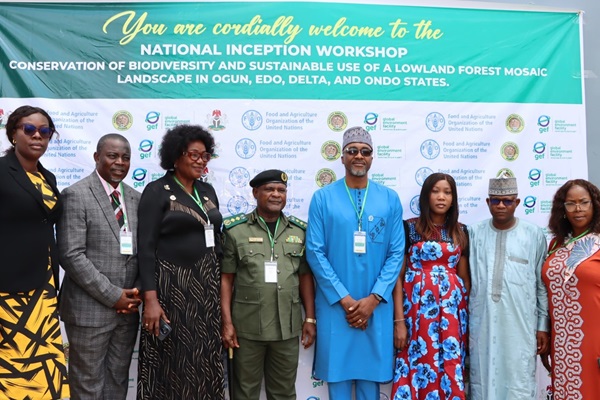
The workshop was held under the FAO Technical Cooperation Project (TCP), titled, “Smart Tomato Value Chain Enhancement Through Sustainable Practices for Livelihood Improvement,” on Thursday in Kaduna brought together government institutions, civil society organisations, agricultural stakeholders, development partners and other relevant actors to review and provide inputs towards strengthening the strategy.
While speaking at the workshop, KADCCAM Co-lead, Agricultural Sector, Rev. Michael Ijah Ikpa, commended the organisers for providing an inclusive platform for stakeholders to contribute to the development of a framework for agricultural and natural resources development in the state.
Ikpa also congratulated the Project Coordinator, Engr. Shehu Mohammed Dalhat, for his leadership and commitment towards the successful organisation of the programme, saying the participation of stakeholders was essential to ensure that the strategy reflects the realities, opportunities and challenges confronting farmers and communities across Kaduna State.
Ikpa stressed the need to integrate climate-smart agriculture, environmental sustainability, natural resource management, food security, livelihood improvement and inclusive agricultural development into the implementation of the strategy.
In behalf of KADCCAM Co-Chair, Comrade Ibrahima Yakubu, Director of Jobulb EduConsult, Ms. Joyce Adeji, commended FAO and the state Ministry of Agriculture for bringing stakeholders together for the validation process.
Adeji said stakeholder participation was critical to ensuring ownership, effectiveness and sustainability of the Kaduna State Agriculture, Livelihoods and Natural Resources Development Strategy 2027–2031.
She urged the organisers to ensure that contributions made during the validation exercise were adequately reflected in the final document and the strategy should effectively address the needs of farmers, communities, agricultural value-chain actors, women, young people and other vulnerable groups.