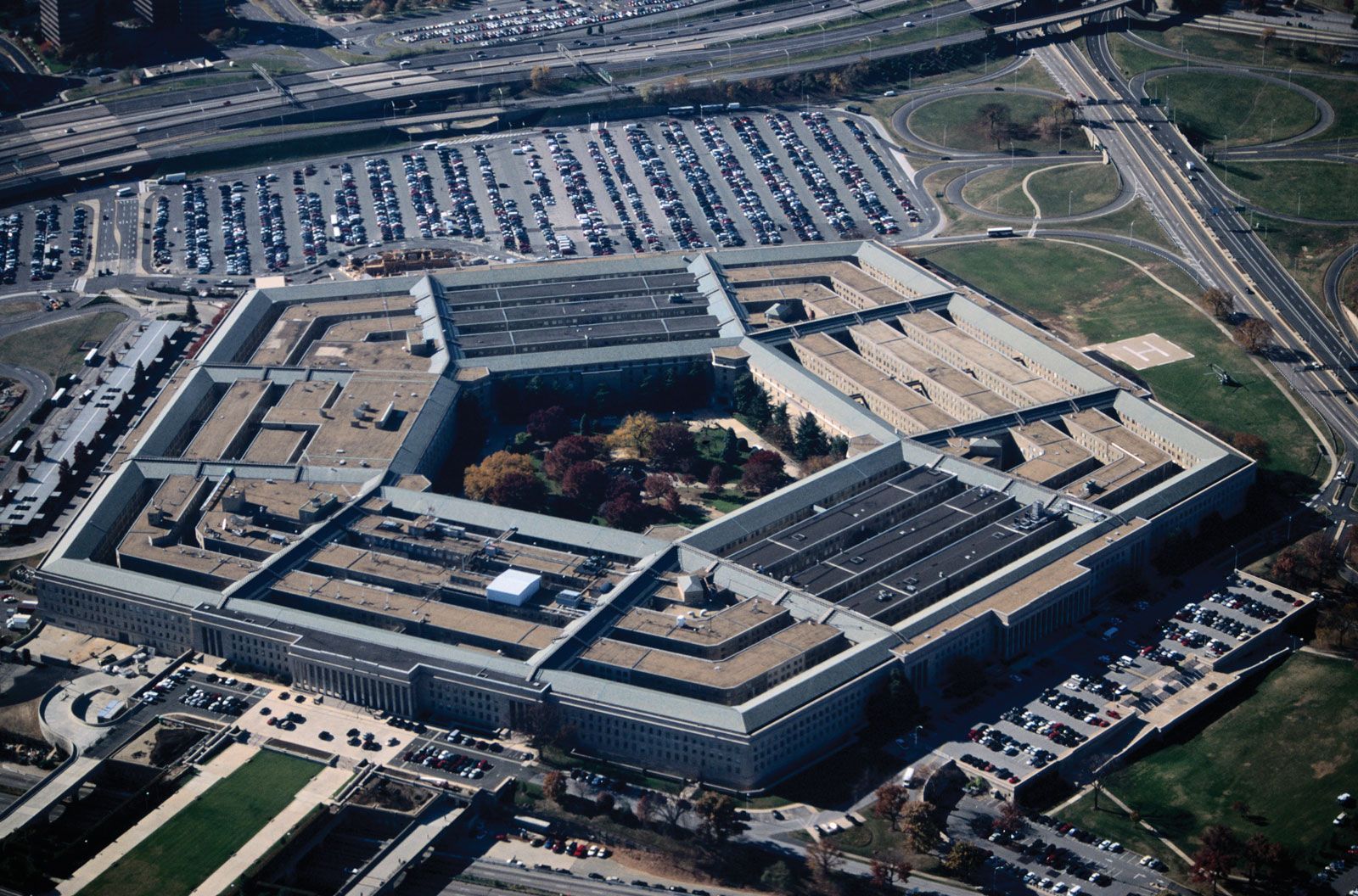

The United States Department of Defense is reportedly considering relocating some of its military bases from Saudi Arabia and Kuwait as part of a broader strategy to reduce the vulnerability of American forces to potential Iranian missile attacks if hostilities in the Middle East resume, The Times of Israel reported Friday.
The report Said the Pentagon is reassessing its military footprint across the region following recent clashes with Iran that exposed the susceptibility of several US installations to retaliatory strikes. The newspaper, citing unnamed sources familiar with the discussions, said Israel is among the countries being considered as a possible destination for some of the military assets that could be moved from Saudi Arabia and Kuwait.
The review comes after the United States launched military operations against Iran on February 28. In response, Tehran reportedly carried out retaliatory strikes that damaged approximately 20 US military sites across the Middle East. The attacks highlighted the growing risks facing American forces stationed within the range of Iran’s expanding missile arsenal.
The report noted that concerns over the proximity of existing military facilities to Iranian missile capabilities have prompted Washington to explore ways of dispersing its military presence across the region. Pentagon officials are said to be developing plans for a broader distribution of bases and operational facilities to reduce the concentration of troops and equipment in areas considered highly vulnerable to attack.

Military analysts believe that relocating certain installations could improve the survivability of US forces while providing greater operational flexibility in the event of renewed conflict. However, no final decision has been announced, and discussions remain at the planning stage.
The reassessment of US military deployments comes despite recent diplomatic efforts aimed at reducing tensions between Washington and Tehran.
On June 17, the United States and Iran signed a memorandum of understanding establishing an immediate ceasefire across multiple fronts, including Lebanon. Although a formal signing ceremony had initially been scheduled to take place in Burgenstock, Switzerland, on June 19, both parties ultimately signed the agreement remotely.
The diplomatic process continued on June 21, when representatives from both countries met in Burgenstock for talks on ratifying the memorandum. The negotiations were facilitated by mediators from Qatar and Pakistan.
In a joint statement issued after the first round of discussions, Doha and Islamabad described the meeting as positive and constructive, noting that both sides had made encouraging progress. The mediators also said the talks helped establish a framework for further technical negotiations aimed at implementing the ceasefire agreement and strengthening regional stability.