
By Mohammad Lawal Maikudi
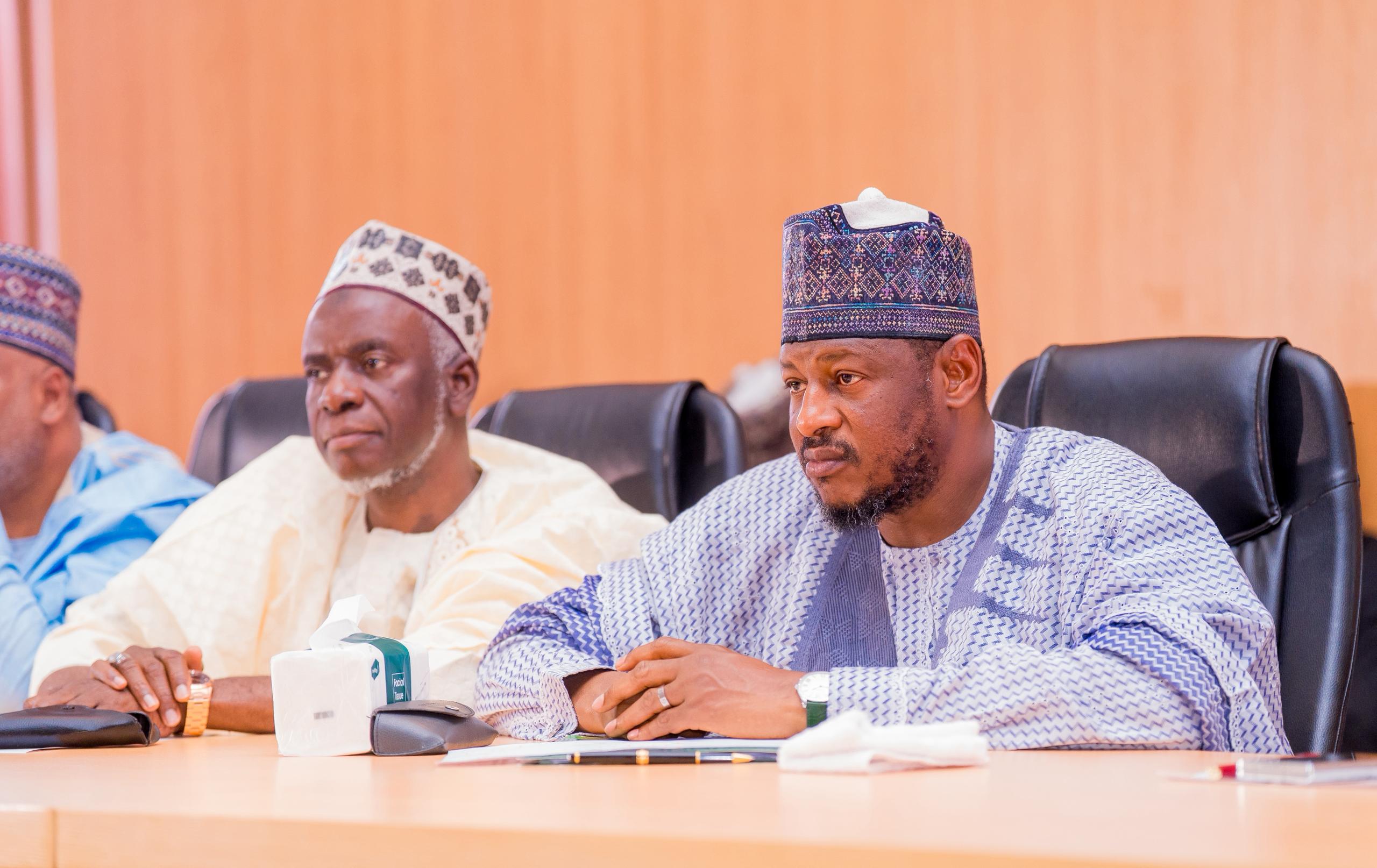
On September 14th 2025, Governor Dikko Umar Radda assembled Katsina Critical Stakeholders and presented to them and yhe world his score card or what political analyst may call a situation report.
Although the gathering was meant to discuss or deliberate on security, governance, and development, Gov Dikko stylistically showcased what his government was sble to deliver to the state since his assumption of office in May, 2023.
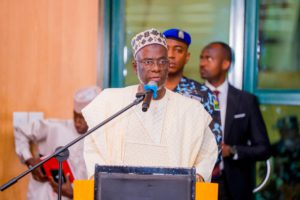
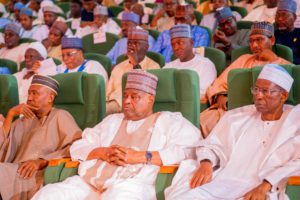
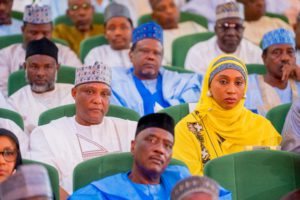
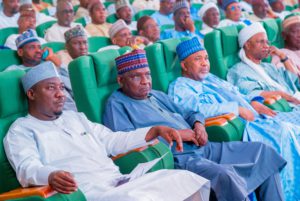
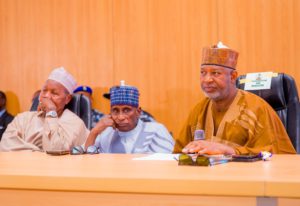
The gathering drew elders, royal fathers, religious leaders, former service chiefs, and prominent sons and daughters of Katsina from home and diaspora – all united in assessing achievements, reviewing challenges, and charting strategies for lasting peace and progress.
A statement issued by Bala Salisu Zango, PhD, Commissioner of Information and Culture and Maiwada Dammallam, Director General Media Directorate on 15th September, 2025 said leading the pack were former Governor Rt. Hon. Aminu Bello Masari; elder statesman Senator Abu Ibrahim; business mogul Alhaji Dahiru Barau Mangal; Emir of Daura, Alhaji Faruk Umar Faruk; Senator Ibrahim Ida, the Wazirin Katsina; and Senator Hadi Sirika.
In his opening remarks, the Deputy Governor Faruk Lawal Jobe disclosed that under the Radda administration’s “Building Your Future” policy. The state government has created over 35,903 jobs spanning diverse sectors, including teacher recruitment, ward head appointments, and the engagement of community watch members, vigilantes, hunters, and religious leaders actively driving peacebuilding initiatives.
 Deputy Governor Faruk also disclosed that the Katsina State Urban Renewal project covering Daura, Funtua and Katsina senatorial districts has gulped ₦74.9 billion. Major infrastructure developments include the 24-kilometre Eastern Bypass construction, 8 other dualization roads in Katsina town and reconstruction across other ones in Daura and Funtua, plus completion of key rural roads.
“The education revolution is real: 160 new classrooms built, 258 rehabilitated, 18,000 teachers trained, three model schools established, 152 schools upgraded under AGILE projects, exam fees fully settled, and a whopping ₦6.18 billion awarded in scholarships to 174,451 students, including overseas sponsorships,” said the Deputy Governor.
He noted that agriculture hasn’t been left behind either. The administration distributed 400,000 bags of subsidised fertiliser annually, procured 400 tractors, provided 4,000 irrigation pumps, and launched the Goat Rearing Initiative empowering women and herders.
On workers’ welfare, he stated that ₦24 billion was paid in gratuities alongside wage awards, Ramadan packages, civil service reforms, and large-scale food distributions.
He said, “The healthcare transformation is equally impressive: 260 ward-level primary health centres built or upgraded, general hospital renovations, dialysis and diagnostic centre establishments, pharmaceutical production unit creation, and international medical equipment donations secured.”
Water projects received ₦14.6 billion investment, major dams and irrigation schemes completed and rehabilitated, while rural hand pumps were converted to solar-powered boreholes. Land administration modernisation through KATGIS, new masterplan preparations, heavy machinery procurement, and ₦3.17 billion compensation payments to affected landowners show the government means business.
Malam Jobe further revealed that the energy sector recorded ₦3.84 billion worth of solar mini-grids completion, 74 km of solar streetlights installation, high-tension power line restoration, and community-level transformer upgrades.
On his part, the State Commissioner for Internal Security and Home Affairs, Alhaji Nasiru Muazu, delivered a hard-hitting presentation titled “The Trend and Dynamics of Banditry, Kidnapping and Cattle Rustling in Katsina State: Community Participation as a Panacea.”
He explained that, the main courses of banditry, kidnapping and cattle rustling are greed, envy, natural resource conflicts due to climate change, and long-standing social injustices.
The Commissioner revealed how banditry spread from five LGAs (2011–2015) to 25 LGAs following the collapse of the amnesty program (2015–2023).
However, the present Government response included recruiting and training Community Watch Corps, vigilantes, and volunteers, procuring vehicles, firearms, drones, and equipment, plus launching joint operations with the Army, Police, DSS, and Civil Defence.
Clarifying misconceptions, Commissioner Dr. Nasiru emphasised that the government doesn’t initiate peace agreements – they’re entirely community-driven, local leaders and communities engaged repentant bandits, leading to peace deals in Dan Musa, Jibia, Batsari, Kankara, Kurfi, and Musawa LGAs.
Between January and August 2025, 628 attack victims received medical treatment while major highways reopened.
Despite progress, challenges persist around weapon, food, drug, and fuel supply lines to bandits, plus community informants. However, the Commissioner stressed that combining community policing strategies with sustained security operations has forced many bandits leaders to voluntarily seek peace.
In his response, Governor Radda said he acknowledged criticisms while emphasising openness to constructive feedback. He reiterated that security tops his development blueprint alongside education, agriculture, health, MSME support, and revenue generation.
The Governor announced plans for 152 IDP homes in Jibia for displaced families, plus business support packages, cattle, and industrial tools for repentant individuals preventing violence relapse.
He commended Commissioner Dr. Nasiru Muazu for dedication, innovative strategies, and tangible anti-banditry results, while praising Community Watch Corps, vigilantes, and volunteers for strengthening security and renewing hope for lasting peace.
The gathering praised Governor Radda’s visionary leadership and remarkable achievements across infrastructure, healthcare, agriculture, and security sectors.
They equally commended the Internal Security Commissioner for tangible insecurity-tackling results statewide.
Stakeholders pledged government support and community collaboration addressing youth restiveness, including drug abuse and related crimes.