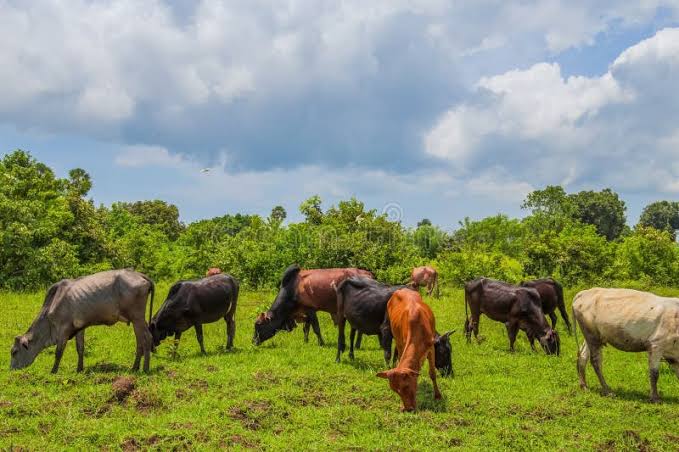

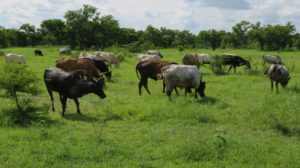
The Federal Government of Nigeria has unveiled an extensive plan to rehabilitate 417 grazing reserves across Nigeria to resolve the persistent conflicts between herders and farmers.
This initiative, driven by the newly established Ministry of Livestock Development, was disclosed by Mr. Idris Ajimobi, Senior Special Assistant to the President on Livestock Development, during a recent event in Ibadan.

Ajimobi explained that the rehabilitation project would begin with the restoration of two to three grazing reserves in various regions over the next 12 to 18 months as a pilot phase. The broader goal is to fully restore all viable reserves nationwide. While some reserves have become unsuitable for livestock due to invasive weeds, around 400 remain functional and only need moderate upgrades.
He further stated that the government is collaborating with both local and international partners to assess investment prospects and support implementation. Discussions with interested stakeholders are already underway to identify areas for potential collaboration.
This initiative is a central component of President Bola Tinubu’s long-term strategy to tackle the long-standing herders-farmers crisis, which has severely impacted rural livelihoods and communities. Beyond reserve restoration, the Ministry of Livestock Development is also tackling deeper issues such as inadequate access to clean water, food, and veterinary care for livestock.
Ajimobi emphasized that a comprehensive approach is being adopted, one that involves engaging communities and addressing the foundational causes of conflict. Public sensitization and inclusive dialogue, he stressed, are essential to the success of the programme.
In addition to resolving conflicts, the ministry aims to elevate the quality of Nigeria’s beef and dairy sectors by supporting livestock farmers with improved inputs and promoting sustainable practices. This move is expected to strengthen local production and reduce reliance on imported dairy products.
Ajimobi expressed a vision where every Nigerian child can access a daily pack of milk, underscoring the importance of boosting domestic dairy capacity. The grazing reserve rehabilitation plan has been well received by stakeholders, who see it as a promising step toward peace, rural development, and modernization of the livestock sector