By Babangida KAKAKI, KADUNA
The Ahlul Bayt Nigeria, a Shi’a based political Organization has
called fo reforms of law enforcement agencies and judiciary as a matter of priority, to protect citizens’ rights, entrenchment of rule of law and fair treatments for all groups irrespective of their creed, faiths, or ideologies.
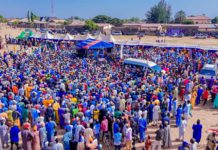
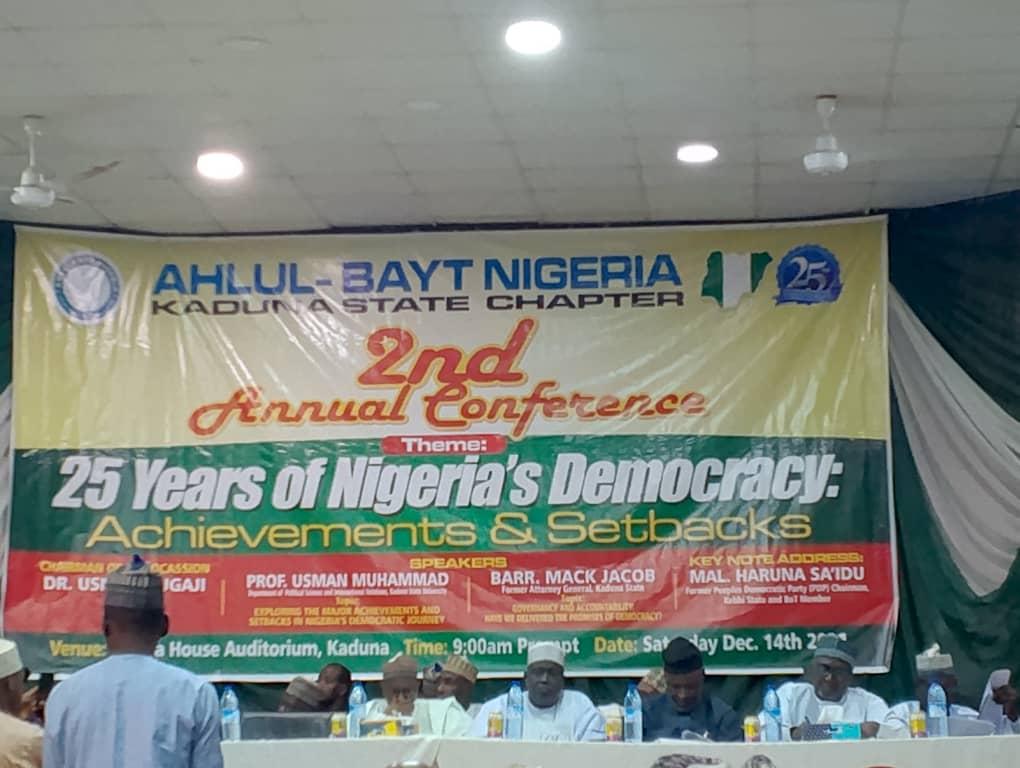
The call was made in a communique signed by Chairman, Kaduna State Chapter of the Association, Alhaji Isah Muhammad Isah after a one day annual conference with a theme: 25 Years of Nigeria’s Democracy: Challenges and Setbacks, held at Arewa House Auditorium, Kaduna.
The group said, the civil society and grassroots organizations should intensify efforts to empower citizens and demand accountability from leaders, while emphasising urgent reforms to ensure free, fair, and transparent elections that reflect the will of Nigerian citizens.
It further called for a new governance model that prioritize ethics, accountability, and collective national interests based on constitutional laws to replace the current system.
The Organisation also called for a
National Dialogue, which would be a platform for inclusive and sincere discussions among Nigeria’s diverse ethnic and religious groups in order to foster unity and chart a common vision for the nation’s future.
It then advocated for Youths Empowerment, saying government and private sector should synergizes to create employment chances for young energetic youths through education, skills acquisition programmes, as well as entrepreneurship.
During the conference, Ahlul Bayt Nigeria, Kaduna State Chapter has reaffirmed its commitment and dedication to advocate for peace, inclusive, good governance, and the defence of fundamental human rights of all Nigerians, irrespective of ethnic, regional or religious affiliations.
It would also synergise with other stakeholders to organize similar workshops to disseminate the outcomes of the conference, which comes up as Third Annual Ahlul-Bayt Nigeria Conference in December 2025, in order to evaluate it’s progress so far and chart a new course of action.
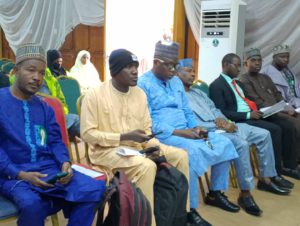
This year’s conference, Ahlul-Bayt Nigeria, Kaduna state chapter has convened it’s second annual conference under the distinguished chairmanship of former Federal legislator, Dr. Usman Bugaje, and was attended by a cross-section of stakeholders, including government officials, politicians, civil society organizations, law enforcement agencies, scholars, youths and concerned citizens, reflecting on Nigeria’s democratic journey and chart a path forward.
It’s proceedings began with an opening remarks by the Chairman of the occasion, Dr. Usman Bugaje. He highlighted the inability of the democratic system to meet citizens’ expectations over the past 25 years.
Dr Bugaje pointed at the rising insecurity, corruption, poverty, and governance failures, asserting that ethical politics rooted in collective interests and values must replace current dysfunctional democratic framework.
Following the Chairman’s opening remarks; two thought-provoking papers were presented by Barrister Mark Jacob Esq titled “Governance and Accountability: Have We Delivered the Promises of Democracy?”
He critically analyzed the gaps between democratic ideals and the harsh realities of governance in Nigeria.
The second paper was delivered by Professor Usman Muhammed, titled “Exploring the Major achievements and setbacks in Nigeria’s Democratic Journey,” which pontificated on a comprehensive overview of the nation’s progress and persistent challenges from 1960 to date.
Earlier, former Kebbi State People’s Democratic Party (PDP) Chairman, Malam Haruna Saeed has delivered a keynote address.
He critically examined the failures of Nigeria’s democratic system since the transition from military rule in 1999, while emphasizing the need for collective efforts to redefine the country’s governance trajectory.
He urged Nigerian people to bring about transformative change in the professional and political lives so that, the nation prospers.
Prior to this, the conference deliberations have observed a
peaceful transitions of power and expanded civil liberties compared to the military era in the poliy; development of institutional frameworks such as INEC and anti-corruption agencies like EFCC;
improved global recognition of Nigeria as a leader in African continent.
It also identified challenges and setbacks,which includes, endemic corruption, electoral fraud, and weak institutions that continues to undermine democratic governance, escalate insecurity, impunity, and disregard to the rule of law, exacerbated by systemic governance failures; deep-seated ethnic and religious divisions that hinder national cohesion; widespread poverty, unemployment, and social inequities, fueled by economic mismanagement and policy inconsistencies.
It also harped on leaders failures to prioritize welfare of the citizenry, as well as exclusion of marginalized voices occasioned by a widespread distrust in the electoral system which has eroded citizens’ faith in democratic system.