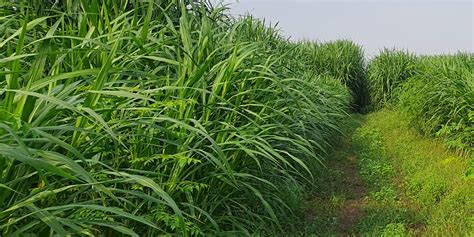
Nigerian farmers are to supply variety of grasses worth ₦53,991,414,260.00 to other countries for cattle feed called Chloris Gayana.
This was confirmed by the president of National Pasture and Livestock Feed Association of Nigeria (NPLFAN) Alhaji Muhammad Alibaba in an interview with yhe Daily Trust newspaper on Sunday.
Alhaji Alibaba said there are so many opportunities for farmers who want to cultivate varieties of improved grasses, which can be taken by either ranchers in the country or exported to countries with large dairy herds.
“Right now, we have an interim order for a variety of grass called chloris gayana to the tune of US$70million, so we are trying to develop that at two ranches in Mokwa, Niger State. Although those ranches were abandoned since the 1950s, we are trying to revive it,” he said.
Chloris gayana is a significant tropical grass found across tropical and subtropical regions of the world. It has great quality, drought-resistant and is an effective feed for grazing and hay.
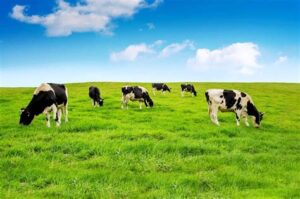
NPLFAN president called on government to give an appropriate focus to the sector because it has enormous potentials, adding that countries like the United Arab Emirate (UAE) are waiting for the farmers to produce and export.
He also said there was a good potential, particularly in terms of milk, given the quantum of resources yearly ranchers waste on importation of grasses that ordinarily would have been produced locally.
“So, the next focus of the federal government is to collaborate with state and local governments to rehabilitate those grazing reserves because we all recognised that time had passed for this style of herding for the reason that is not efficient because these animals, whatever they eat as they move, they lose it, so they give very limited milk.
“What the government needs to do is to rehabilitate these grazing reserves and engage in an intensive reorientation of these herders. Nomads naturally resist change, but once they see the benefits they will adopt the change and start coming to the reserves,” he said.
Alibaba added that if herders were economically empowered to buy feed, things would change.
“Their orientation is that feed is free, so they have not factored that into the economy of production for themselves. They need a lot of reorientation. By the time they do the pros and cons and realise the volume of milk they make – multiples of what they used to make – they will easily adjust. It is a common sense and every human being is endowed with that common sense, that seeing is believing.